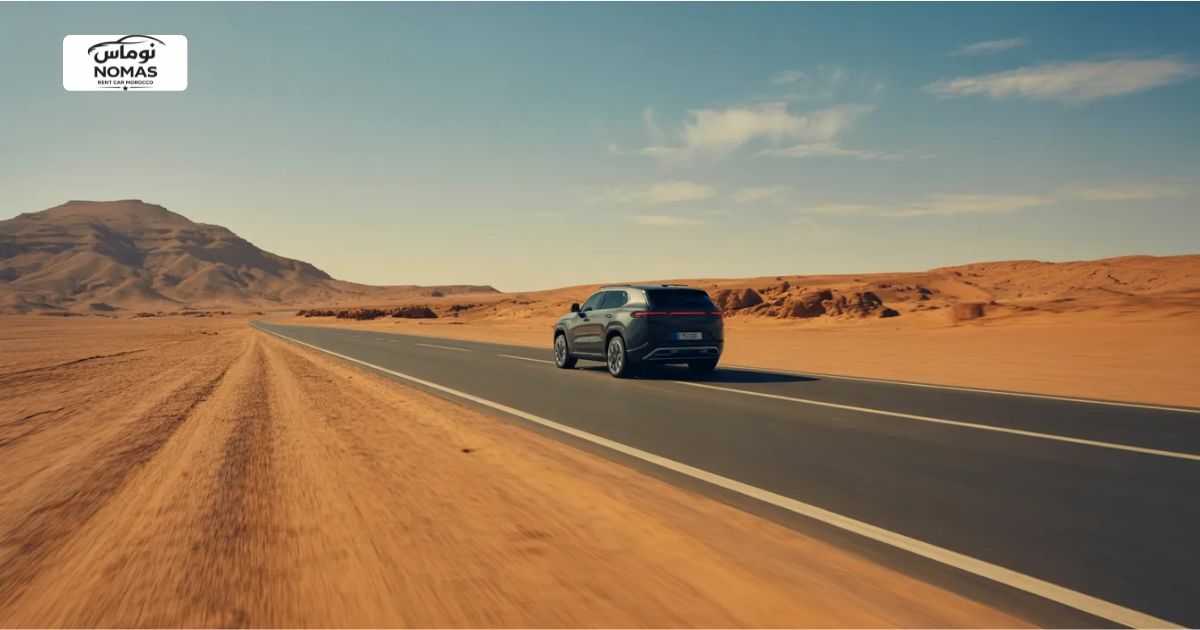
Morocco self drive car rental is the single most rewarding way to experience this country. Morocco stretches from the Mediterranean coast in the north to the Sahara Desert in the south. Between those two extremes, you find snow-capped mountain ranges, ancient imperial cities, dramatic river gorges, argan forests, and Atlantic coastlines. No bus route connects all of these. No guided tour covers everything. However, your own rental car does exactly that — and more.
This complete guide covers everything you need to plan a successful Morocco self drive car rental trip in 2026. We explain the best routes, the most important driving rules, road conditions across different regions, and exactly which vehicle to choose for your specific itinerary. Additionally, we share insider tips that save you time, money, and unnecessary stress on the road.
En rent-car.ma, we provide reliable, well-maintained vehicles for self-drive travelers across Morocco. Browse our complete car fleet and choose the right vehicle for your road trip today.
Why Morocco Is Perfect for a Self-Drive Road Trip
Morocco rewards independent travelers more than almost any other country in North Africa. Furthermore, it does so in ways that are accessible even for first-time visitors.
The Road Network Is Well Developed
Morocco has invested heavily in its road infrastructure over the past two decades. The result is an impressive network of modern motorways, well-maintained national roads, and improving regional routes. Consequently, driving between major cities feels comfortable and straightforward for any experienced driver.
The main motorway system — called the autoroute — connects Tangier in the north to Agadir in the south, passing through Casablanca, Rabat, and Marrakech. Moreover, the roads are regularly maintained, clearly signposted in both French and Arabic, and patrolled consistently.
Distances Are Very Manageable
Morocco is not an enormous country. Therefore, even the longest self-drive routes are manageable within a standard two-week holiday. For instance, driving from Casablanca to Marrakech takes approximately 2.5 hours on the motorway. Similarly, Marrakech to the Sahara dunes at Merzouga takes around seven hours — long, but absolutely rewarding.
Self-Drive Unlocks Hidden Morocco
Guided tours follow predictable routes and stop at well-known tourist spots. In contrast, Morocco self drive car rental gives you access to places most visitors never find. Hidden mountain villages, empty desert pistes, roadside argan cooperatives, secret waterfalls in the Atlas Mountains — these experiences only happen when you drive yourself.
The Value Is Exceptional
Morocco offers some of the most affordable self-drive car rental rates in the world. Furthermore, fuel costs less than in Europe, motorway tolls are very reasonable, and accommodation outside peak tourist cities is inexpensive. As a result, a full two-week self-drive Morocco road trip is very accessible for most budgets.
Best Self-Drive Routes in Morocco for 2026
Planning your route is the most important step in any Morocco self drive car rental trip. Below are the most popular and rewarding routes for different travel styles and timeframes.
Route 1 — The Imperial Cities Classic (7 Días)
This route covers Morocco's four imperial cities — Casablanca, Rabat, Fes, and Marrakech. It is perfect for first-time self-drive visitors. Moreover, it stays almost entirely on motorways, making it very comfortable even for those unfamiliar with Moroccan roads.
Día 1: Arrive Casablanca. Collect rental car at Mohammed V Airport. Visit Hassan II Mosque. Día 2: Drive Casablanca to Rabat (1 hour). Explore Kasbah of the Udayas and Chellah ruins. Día 3: Drive Rabat to Fes (3 hours). Arrive and check in. Día 4: Full day exploring Fes Medina on foot. Día 5: Drive Fes to Ifrane and Azrou (1.5 hours). Enjoy the cedar forests and Barbary macaques. Continue to Beni Mellal. Día 6: Drive to Marrakech via the Beni Mellal route (3 hours). Explore Djemaa el-Fna. Día 7: Return to Casablanca or fly home from Marrakech Menara Airport.
Best vehicle for this route: A comfortable mid-size sedan or crossover. The volkswagengolf 8 or Dacia Duster work excellently. Check our full vehicle options for availability.
Route 2 — The Sahara Grand Tour (10–12 Days)
This is the most popular Morocco self drive car rental route for adventure travelers. It takes you from Marrakech over the High Atlas Mountains, through ancient kasbahs, along the dramatic Draa Valley, and finally into the golden dunes of Merzouga. Furthermore, it returns via a completely different route — through the Ziz Valley and the Middle Atlas.
Best vehicle for this route: An SUV is strongly recommended. The Hyundai Tucson, Volkswagen Touareg, or Range Rover Evoque handle the mountain passes and desert approach roads with confidence. Browse our complete SUV rental Morocco selection for this route.
Route 3 — The Atlantic Coast Drive (7–8 Days)
Morocco's Atlantic coastline is dramatically underrated. In fact, many visitors spend their entire trip inland and miss the stunning coastal scenery entirely. This route corrects that oversight completely.
Día 1: Casablanca — collect rental car and explore the corniche. Día 2: Drive Casablanca to El Jadida (1.5 hours). Visit the Portuguese Cistern. Día 3: Drive El Jadida to Safi (1.5 hours). Continue to Essaouira (2 hours). Enjoy the blue-and-white medina. Día 4: Full day in Essaouira — the Atlantic winds, fresh seafood, and relaxed atmosphere deserve a full day. Día 5: Drive Essaouira to Agadir (3 hours). Relax on Morocco's best beach. Día 6: Day trip from Agadir to Paradise Valley (1 hour) and the Immouzer waterfalls. Día 7: Drive Agadir back to Marrakech (3 hours) or return along the coast.
Best vehicle for this route: A comfortable crossover or compact SUV. The Volkswagen T-ROC or Hyundai Creta provide the ideal combination of comfort and luggage capacity for this coastal journey.
Route 4 — The Northern Circuit (5–6 Days)
Northern Morocco remains the least visited region of the country. However, it is arguably the most scenically diverse. This route covers the Rif Mountains, the legendary Blue City of Chefchaouen, the Mediterranean coast, and the ancient Roman ruins at Volubilis.
Día 1: Arrive Tangier — collect rental car. Explore the Medina and Cap Spartel. Día 2: Drive Tangier to Chefchaouen (2 hours). Explore the blue streets. Día 3: Drive Chefchaouen to Fes via Ouezzane (3 hours). Día 4: Full day in Fes. Visit Volubilis Roman ruins (1 hour from Fes). Día 5: Drive Fes to Casablanca (3 hours) or extend north to Meknes and Rabat.
Best vehicle for this route: A compact crossover handles the Rif Mountain roads very well. The Dacia Duster or Volkswagen T-ROC are particularly well-suited.
What Car to Rent for a Morocco Self-Drive Road Trip
Choosing the right vehicle makes a significant difference to your Morocco self drive car rental experience. The wrong choice leads to discomfort, anxiety on mountain roads, or unnecessary fuel costs. Therefore, match your vehicle carefully to your specific itinerary.
Economy Cars — City Breaks and Short Trips
Economy cars like the peugeot 208, clio 5, Citroën C3, and Dacia Sandero work perfectly for the Imperial Cities route and short coastal trips. They are fuel-efficient, easy to park in busy medina neighborhoods, and very affordable. Furthermore, they handle motorways and national roads without any difficulty.
However, avoid economy cars for mountain routes and southern desert itineraries. They lack the ground clearance and engine torque needed for steep passes and rough approach roads.
A partir de: €25 per day Best for: Imperial Cities route, Atlantic Coast route in good weather, stays under 7 days
Crossovers and Sedans — The All-Rounder Choice
For most Morocco self drive car rental itineraries, a mid-size crossover or sedan is the sweet spot. Models like the volkswagengolf 8, Volkswagen T-ROC, Hyundai Creta, and Dacia Duster handle motorways, national roads, and most mountain routes comfortably. Additionally, they provide good luggage capacity for longer trips with multiple bags.
A partir de: €30 to €55 per day Best for: Imperial Cities, Atlantic Coast, Northern Circuit routes
SUVs and 4x4s — Essential for Adventure Routes
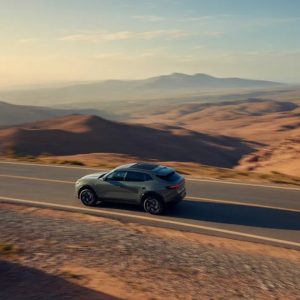
If your itinerary includes the High Atlas Mountain passes, the Draa Valley, approach roads to Merzouga, or any route south of Ouarzazate, choose an SUV without hesitation. Models like the Hyundai Tucson, Range Rover Evoque, Volkswagen Touareg, and Range Rover Sport provide genuine ground clearance, capable four-wheel drive systems, and significantly more comfortable suspension on rough terrain.
Moreover, larger SUVs carry more luggage — important for longer road trips with camping gear, photography equipment, or family baggage.
A partir de: €45 to €110 per day Best for: Sahara Grand Tour, any route including mountain passes or desert tracks
Luxury Vehicles — Premium Road Trip Experiences
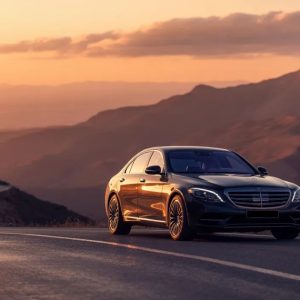
Some travelers want the finest possible road trip experience. In that case, our premium fleet delivers exceptional comfort across every kilometer. The mercedes c 220, Audi Q8, and Range Rover Sport transform even long driving days into genuinely enjoyable experiences. Furthermore, they make powerful impressions at luxury desert camps and five-star riads.
A partir de: €110 to €299 per day Best for: Honeymoon road trips, executive travel, premium tourism experiences
Browse the complete rent-car.ma fleet to compare all vehicles and confirm availability for your travel dates.
Driving Rules for Morocco Self-Drive Travelers
Every Morocco self drive car rental traveler must understand Moroccan traffic laws before getting behind the wheel. These rules are enforced seriously, and ignorance is never accepted as an excuse at police checkpoints.
Speed Limits Across All Road Types
- Urban areas and city roads: 60 km/h maximum
- National roads outside cities: 100 km/h maximum
- Motorways and autoroutes: 120 km/h maximum
Speed cameras are installed on many major routes throughout Morocco. Therefore, respect posted limits consistently — not just when you see a camera sign.
Essential Traffic Laws
Morocco drives on the right side of the road. Seatbelts are mandatory for all passengers at all times. Additionally, mobile phone use while driving is illegal and results in immediate, on-the-spot fines. Morocco enforces an effectively zero blood alcohol limit — consequently, do not drive after any alcohol consumption whatsoever.
At unmarked intersections, priority goes to vehicles approaching from the right. Furthermore, headlights must be switched on inside all tunnels and during any period of poor visibility, including light rain.
Motorway Tolls
Morocco's autoroutes are toll roads. Therefore, always carry Moroccan Dirhams (MAD) in cash, as card payment is not accepted at all toll booths. Here are the approximate toll costs for the most common tourist routes:
- Casablanca to Marrakech: approximately 90 MAD (~€8.50) each way
- Casablanca to Rabat: approximately 21 MAD (~€2) each way
- Casablanca to Fes: approximately 130 MAD (~€12) each way
- Marrakech to Agadir: approximately 130 MAD (~€12) each way
Police Checkpoints
Roadside police checks are a routine feature of driving in Morocco. Officers stop vehicles near city entry points, at regional boundaries, and on major national roads. Simply slow down gradually, have all your documents organized and accessible, and respond politely and respectfully. Consequently, these stops are completed within minutes for tourists who carry proper documentation.
Always carry your original driving license, rental agreement, vehicle insurance certificate, and passport or ID card. Never drive with photocopies — original documents are required.
Road Conditions Across Morocco — Region by Region
Understanding road quality helps you plan your Morocco self drive car rental route realistically and choose the right vehicle from the start.
Northern Morocco — Good to Excellent
The northern coastal region between Tangier and Tetouan features good quality roads and well-maintained national routes. However, roads into the Rif Mountains around Chefchaouen become narrower and more winding. They are perfectly driveable in a crossover but require careful attention and reduced speed, particularly after rainfall.
Central Morocco — Excellent on Motorways
The motorway corridor connecting Casablanca, Rabat, Meknes, Fes, and Marrakech represents the best road conditions in the country. These routes are smooth, well-lit, and clearly signposted. Furthermore, service stations with fuel, food, and restrooms appear regularly along all major autoroutes.
High Atlas Mountain Passes — Challenging but Rewarding
The Tizi n'Tichka pass between Marrakech and Ouarzazate reaches 2,260 meters above sea level. The road is paved throughout, but it winds dramatically and has limited safety barriers in some sections. Therefore, drive slowly, use appropriate gears on descents, and allow extra time — particularly in winter months when snow occasionally closes the highest sections.
Similarly, the Tizi n'Test pass to the west of Marrakech is narrower and more dramatic — stunning scenery, but strictly for confident drivers in capable vehicles.
Southern Morocco — Variable Conditions
National roads between Ouarzazate and Zagora are paved and in reasonable condition. However, roads approaching Merzouga from Rissani include some rough sections and sandy stretches. Moreover, summer heat in southern Morocco exceeds 45°C — ensure your vehicle's air conditioning and cooling system are fully functional before departure.
Atlantic Coastal Roads — Generally Good
The coastal road from Casablanca south through El Jadida, Safi, and Essaouira to Agadir varies in quality. National road sections are well-maintained. However, some connecting coastal tracks between lesser-known beaches require a crossover or SUV with decent ground clearance.
Essential Preparation for Your Morocco Self Drive Road Trip
Thorough preparation makes the difference between a seamless adventure and an unnecessary headache. Here is exactly what to do before you collect your rental car.
Plan Your Route in Detail
Map your full route before departure. Use Google Maps to estimate driving times — and add at least 20% extra time for mountain routes, town navigation, and unexpected stops. Furthermore, identify fuel stations along your route, as they become scarce in some southern and mountain regions.
Download Offline Maps
Google Maps works well throughout Morocco with a data connection. However, signal becomes unreliable in mountain passes and remote southern areas. Therefore, download offline maps of Morocco before you leave home. Apps like Maps.me also provide detailed offline coverage of rural areas.
Get a Moroccan SIM Card at the Airport
Moroccan prepaid SIM cards from Maroc Telecom and Orange Morocco are inexpensive and widely available at all major airports. A local data plan costs very little and keeps your navigation running. Additionally, it lets you contact our rent-car.ma support team via WhatsApp at any point during your trip.
Carry Emergency Cash in Moroccan Dirhams
ATMs are widely available in major cities. However, they become scarce in small towns and completely absent in remote areas. Therefore, carry sufficient Moroccan Dirham cash for motorway tolls, rural fuel stations, and emergency situations before leaving any major city.
Check Your Vehicle Thoroughly Before Departure
When you collect your rental vehicle at rent-car.ma, conduct a full walkaround inspection before signing any acceptance documentation. Photograph the entire exterior. Check the tyre pressures and spare tyre condition. Furthermore, confirm that the air conditioning, lights, and windscreen wipers all function correctly. Raise any concerns immediately before leaving the pickup location.
Save Emergency Numbers in Your Phone
Before driving away, save the following numbers in your mobile:
- rent-car.ma WhatsApp support: +212 690 703 020
- Moroccan emergency services: 15 (medical), 19 (police)
- Your accommodation contacts along the route
Our team provides 24/7 WhatsApp support throughout your Morocco self drive car rental trip. Furthermore, our towing and roadside assistance service reaches you within 30 minutes anywhere in Morocco.
Fuel, Costs, and Budget Planning for Morocco Self-Drive
Budgeting accurately helps you enjoy your road trip without financial stress. Here is a realistic breakdown of self-drive costs for 2026.
Fuel Costs
Petrol (essence) costs approximately 13 to 15 MAD per liter in 2026 — roughly €1.20 to €1.40. Diesel is slightly cheaper at around 10 to 12 MAD per liter. Most vehicles in our fleet run on petrol. Therefore, budget approximately €40 to €60 in fuel for a full Casablanca to Marrakech return journey in an economy or mid-size car.
Motorway Tolls
Budget approximately €30 to €50 in tolls for a full Imperial Cities circuit. The Sahara Grand Tour from Marrakech adds considerably fewer toll roads, as the southern routes use national roads rather than autoroutes.
Parking Costs
City center parking in Marrakech, Casablanca, and Fes typically costs 5 to 10 MAD per hour when managed by attendants. Overnight parking at most riads and hotels is either free or very low cost. Furthermore, parking in smaller towns and villages is generally free throughout Morocco.
Total Budget Estimate
For a 7-day Morocco self drive car rental trip in a mid-size crossover, budget approximately:
- Vehicle rental: €280 to €385 (crossover at €40–55/day)
- Fuel: €60 to €90
- Motorway tolls: €25 to €45
- Total driving costs: approximately €365 to €520 for the week
This compares extremely favorably with the cost of guided tours or private transfers covering the same destinations.
Tips for Driving Safely on Morocco's Roads
Thousands of self-drive visitors travel across Morocco every year without incident. However, a few important habits make the experience consistently safer and more enjoyable.
Drive During Daylight Hours in Rural Areas
After dark in rural Morocco, unlit roads present genuine hazards — livestock, pedestrians, and cyclists without reflective equipment appear suddenly. Therefore, plan your daily driving stages to arrive at your accommodation before sunset. This one habit eliminates the majority of rural driving risks entirely.
Take Regular Breaks on Long Stages
Long driving days are tiring everywhere. Moreover, the combination of unfamiliar roads, heat, and concentration required for mountain driving accelerates fatigue significantly. Stop every two hours minimum. Moroccan roadside cafés serve excellent mint tea and simple food — use them as natural break points.
Never Drive Aggressively in Cities
Urban Moroccan driving culture operates on different conventions than European or American driving. Horns are used constantly and without aggression. Lanes are treated as suggestions rather than fixed rules. Consequently, the most effective approach is calm patience — never react aggressively to other drivers. Simply observe, adapt, and navigate at a measured pace.
Respect Local Customs in Rural Villages
When driving through small villages, slow right down. Children play near roads. Animals cross without warning. Furthermore, locals appreciate respectful driving from visitors. A slow, considerate approach through villages creates genuine goodwill and is simply the right thing to do.
According to Visit Morocco, Morocco's official tourism authority, independent road travel continues to grow each year as visitors discover the freedom and depth of experience that only self-drive trips provide.
Why Book Your Morocco Self Drive Car Rental with rent-car.ma
Many car rental options exist across Morocco. However, rent-car.ma consistently delivers what independent self-drive travelers need most — reliability, transparency, and genuine support throughout the trip.
- ✅ Fully maintained fleet — All vehicles are regularly serviced and inspected before every rental
- ✅ Transparent pricing — No hidden fees, no surprise charges at pickup or return
- ✅ Wide vehicle range — Economy cars through to premium SUVs and luxury vehicles
- ✅ Airport collection — Available at Mohammed V International Airport Casablanca
- ✅ 24/7 WhatsApp support — Real team members, real responses, any time of day or night
- ✅ 30-minute towing service — Emergency roadside recovery anywhere in Morocco
- ✅ Multilingual team — English, Francés, and Arabic support for international travelers
- ✅ Flexible booking — Easy modifications and cancellations without excessive fees
Book Your Morocco Self Drive Car Rental Today
You now have everything you need to plan and execute a successful Morocco self drive car rental trip in 2026. The routes are mapped. The vehicle options are clear. Furthermore, the practical preparation is straightforward.
Browse Our Full Vehicle Fleet: View all available cars, SUVs, and luxury vehicles →
Contact Our Team: Get in touch with rent-car.ma →
📞 WhatsApp: +212 690 703 020 📧 Correo electrónico: info@rent-car.ma
Morocco is one of the world's great road trip destinations. The landscapes change dramatically every few hours. The people are welcoming. The food is extraordinary. Furthermore, the freedom of driving yourself — stopping wherever you choose, whenever you choose — makes every kilometer genuinely memorable.
Reserva tu Morocco self drive car rental today. The road is waiting.